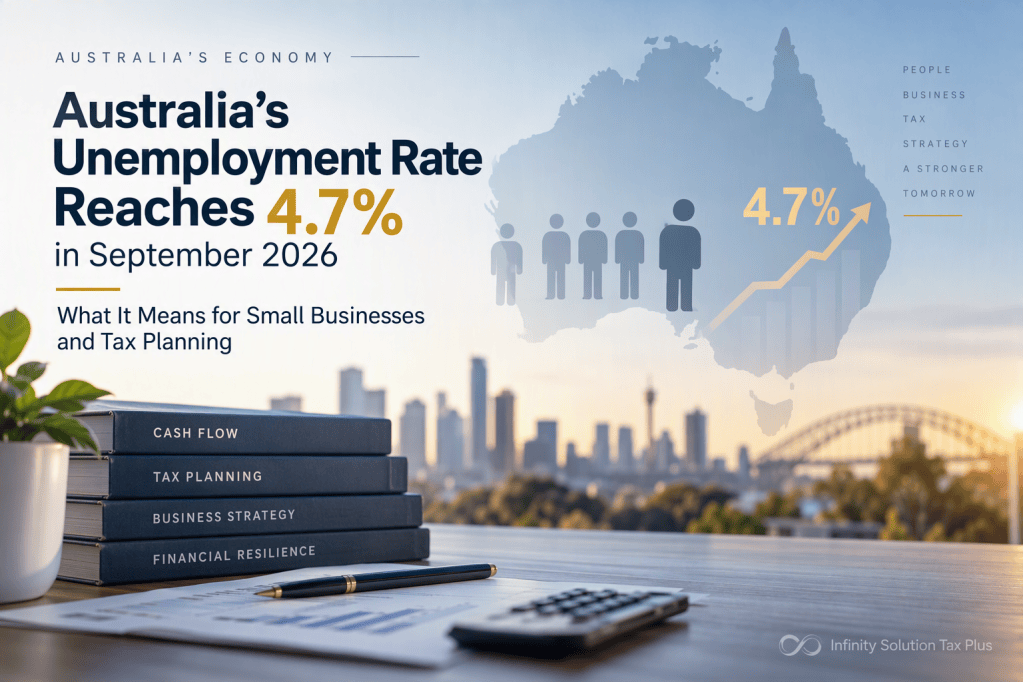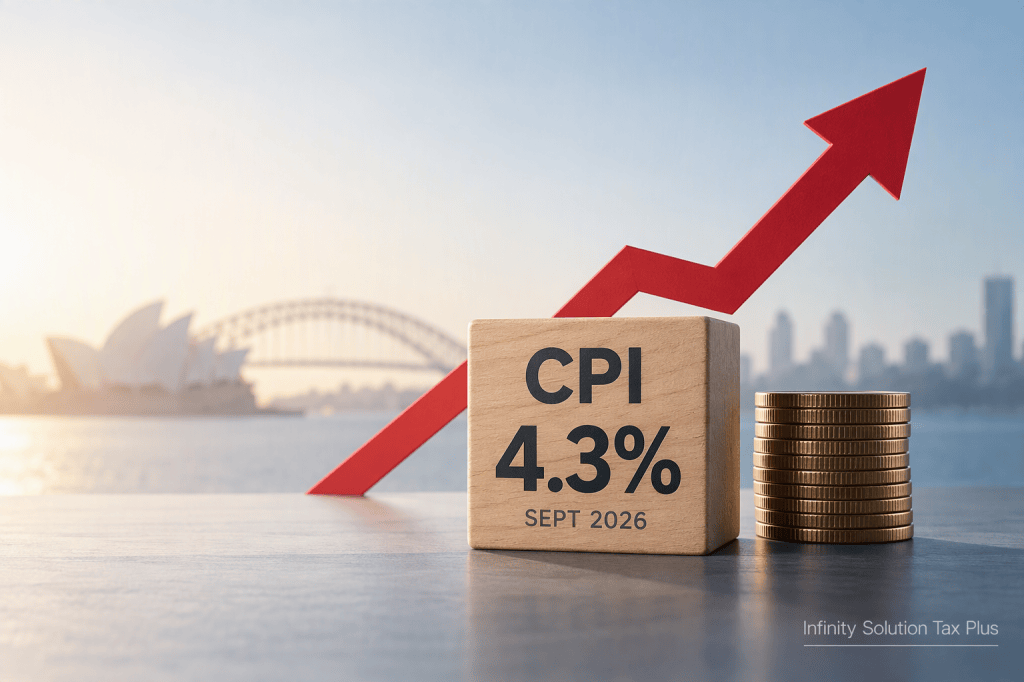
Australia’s annual inflation rate increased to 4.3% in September 2026, up from 4.0% in August, signalling renewed pressure on household budgets, business operating costs and monetary policy. The latest Consumer Price Index (CPI) figures from the Australian Bureau of Statistics (ABS) highlight housing and transport as important contributors to rising prices. ABS
For businesses across Melbourne, including Box Hill and Doncaster, persistent inflation presents challenges for profitability, cash flow and investment decisions. Consulting an experienced accountant Box Hill businesses rely on can help owners understand how changing economic conditions affect financial planning and tax obligations.
The September result has also increased attention on the Reserve Bank of Australia’s (RBA) upcoming interest rate decision, particularly as inflation remains above its 2–3% target range.
How Higher Inflation Affects Australian Businesses
Inflation affects businesses through higher input costs, financing expenses and changes in consumer spending behaviour.
Key pressures include:
- Operating expenses: Higher rent, insurance, utilities and transport costs can reduce profit margins.
- Pricing decisions: Passing increased costs to customers may weaken demand in competitive markets.
- Cash flow: Higher supplier invoices and working capital requirements can strain available funds.
- Investment: Uncertainty about future costs and interest rates may delay expansion or equipment purchases.
Small and medium-sized enterprises are particularly exposed where limited pricing flexibility makes it difficult to recover rising expenses. ABS
Will the RBA Increase Interest Rates?
The September inflation result has strengthened expectations that the RBA may consider another interest rate increase at its November meeting.
Although a rate increase is not guaranteed, persistent inflation above the target range creates additional challenges for monetary policymakers. Higher borrowing costs could affect business loans, commercial property finance and equipment funding arrangements.
Businesses should review existing debt commitments, test cash flow forecasts against higher repayments and consider refinancing options where appropriate.
Tax Planning Strategies During Inflation
Inflation does not automatically create additional tax deductions, but it makes accurate accounting and proactive planning increasingly important.
Working with a qualified Box Hill accountant can help businesses assess several priorities:
- Business deductions: Review legitimate operating expenses and maintain appropriate supporting records.
- Depreciation: Check asset depreciation schedules and applicable capital allowance rules.
- GST and PAYG: Forecast upcoming tax payments to avoid unexpected cash flow shortages.
- Superannuation: Review contribution obligations, payment timing and applicable deductibility requirements.
- Capital expenditure: Evaluate purchases based on commercial needs, cash flow and current tax legislation.
The Australian Taxation Office provides guidance to help small businesses meet their reporting obligations and claim eligible deductions. ATO
Implications for Property Investors and Business Owners
Property investors may experience higher rental income where market conditions and lease terms permit increases. However, higher financing costs, maintenance expenses and potential valuation pressures can offset these benefits.
Businesses occupying commercial premises should also review lease escalation clauses, occupancy costs and financing commitments before making longer-term decisions.
Proactive Accounting Support in Box Hill and Doncaster
At Infinity Solution Tax Plus, we encourage businesses and investors to review their financial position before economic pressures become more difficult to manage.
As a trusted Box Hill accountant, our focus is on helping clients understand their tax obligations, assess legitimate planning opportunities and make informed financial decisions. Businesses in Box Hill and Doncaster can benefit from reviewing budgets, tax provisions and cash flow assumptions as conditions change.
Final Thoughts
September’s 4.3% inflation reading reinforces the importance of financial resilience for Australian businesses. The RBA’s upcoming decisions and subsequent inflation releases will provide further insight into whether price pressures are easing or becoming more persistent.
Businesses that regularly review their expenses, financing arrangements and tax strategies will be better prepared to respond to changing conditions.
Disclaimer: This article contains general information only and does not constitute financial or taxation advice. You should seek personalised advice from a registered tax or financial professional.