The Australian Taxation Office (ATO) has released its latest update ahead of Tax Time 2026, highlighting important changes to non-individual tax returns and schedules. These updates, published on 11 June 2026, directly impact companies, trusts, and partnerships, making it critical for businesses to prepare early. [ato.gov.au]
For business owners and advisors—especially those working with a trusted accountant Box Hill or across Melbourne—understanding these updates can help avoid compliance issues, minimise errors, and optimise tax positions.
What Has Changed for Non-Individual Tax Returns in 2026?
The ATO’s latest release outlines several administrative and reporting updates for 2026, particularly targeting non-individual entities such as companies, trusts, and super funds.
While not all changes are structural, they signal increasing scrutiny on reporting accuracy and classification of income, deductions, and offsets. The ATO is refining return schedules to ensure better data alignment with its compliance systems. [cpaaustralia.com.au]
Additionally, updates reflect broader tax reforms and compliance priorities linked to recent Budget measures, meaning entities must ensure their returns correctly reflect new tax treatments and disclosure expectations. [pwc.com.au]
Why the ATO Is Tightening Reporting Requirements
These changes are not occurring in isolation. The ATO has clearly indicated that it is moving toward greater transparency, data matching, and digital compliance enforcement.
With increasing digital reporting capabilities and integration across financial systems, the ATO is improving its ability to detect inconsistencies—especially in areas such as:
- Trust distributions
- Company income classifications
- Refundable tax offsets
- Deduction claims
This aligns with broader compliance initiatives seen in 2026 Tax Time, where the ATO has warned it will remove unsupported claims or request evidence for discrepancies.
Practical Implications for Businesses and Entities
For SMEs and larger entities, these changes mean more than just updating forms—they require stronger internal processes.
Businesses should consider:
- Reviewing accounting systems to ensure accurate categorisation of income and expenses
- Ensuring trust distributions and inter-entity transactions are correctly documented
- Preparing supporting evidence for all claims, particularly offsets and deductions
- Engaging a professional advisor, such as an experienced accountant in Box Hill, to review tax positions before lodgement
Failing to adapt could lead to processing delays, ATO queries, or even penalties, particularly as the ATO increases its reliance on real-time data validation.
How This Links to Broader 2026 Tax Reforms
The updates also sit within a wider tax reform landscape, including:
- Proposed changes to capital gains tax and negative gearing
- New deductions and offsets
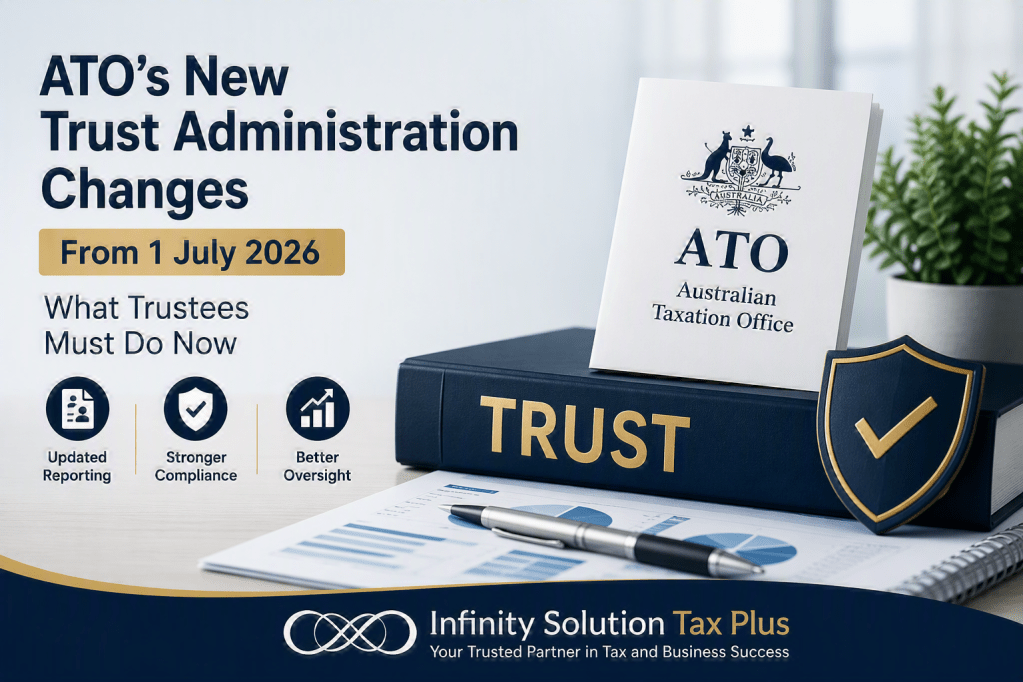
- Enhanced reporting requirements for trusts and corporate entities
These reforms are designed to create a more consistent and transparent tax system, but they also increase the complexity for businesses navigating compliance.
As a result, Tax Time 2026 is not just about compliance—it is an opportunity to reassess business structures, review tax strategies, and ensure alignment with evolving regulations.
What You Should Do Now
To stay ahead this tax season:
- Review your entity structure and reporting obligations early
- Update accounting records to align with new ATO requirements
- Conduct a pre-lodgement check with a qualified tax professional
- Document all claims with clear supporting evidence
Working with a proactive Box Hill accountant or trusted local advisor can provide clarity, reduce risk, and ensure your business is fully compliant.
Conclusion
Tax Time 2026 introduces important updates to non-individual returns that reflect a broader shift toward stricter compliance and smarter data-driven enforcement by the ATO. Businesses that prepare early and seek expert guidance will be best positioned to navigate these changes efficiently.
Disclaimer
This article is general information only and does not constitute financial or tax advice. You should seek personalised advice from a qualified tax professional or registered tax agent before making any decisions.


 Infinity Solution Tax Plus