
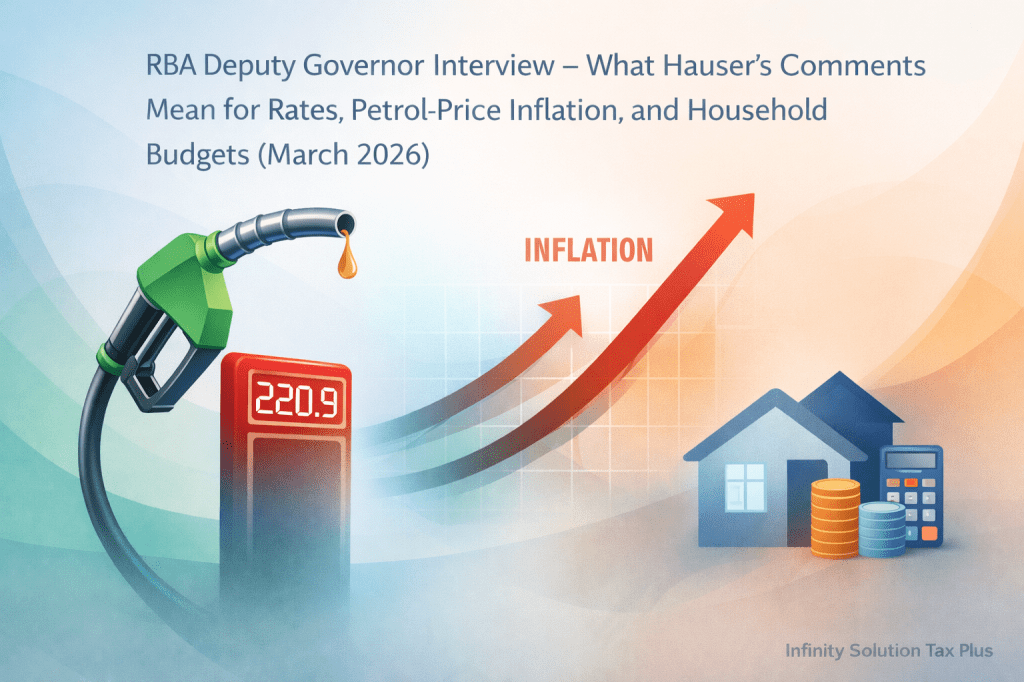
Australia’s interest rate cycle has taken another turn, with the Reserve Bank of Australia (RBA) lifting the cash rate to 4.10% in March 2026. The decision reflects ongoing concerns about inflation, energy prices, and capacity pressures across the economy.
For households, this move has immediate implications. Whether you have a mortgage, pay rent, or rely on savings income, the effects may be felt quickly. Many Australians are reassessing budgets and financial strategies, sometimes seeking professional advice from accountant Box Hill to manage these changes effectively.
Why the RBA Increased Rates
The RBA’s decision highlights the balancing act between controlling inflation and avoiding unnecessary economic slowdown. Key drivers behind the rate rise likely include:
- Persistent inflation pressures, particularly from energy and fuel costs
- Strong labour market conditions are sustaining demand
- Ongoing supply-side constraints are limiting economic capacity
These factors suggest inflation may remain above the RBA’s target band, requiring tighter monetary policy to stabilise prices.
Mortgage Holders: Immediate Repayment Pressure
For borrowers, the impact is typically direct and fast. Most lenders tend to pass on rate increases to variable-rate home loans, increasing monthly repayments.
Even a 0.25% rise can affect cash flow. Tools such as the government’s mortgage calculator allow borrowers to model repayment changes under different scenarios.
Key considerations:
- Higher monthly repayments reduce disposable income
- Fixed-rate borrowers nearing expiry may face increases
- Refinancing options may become more attractive, but require careful comparison
Professional financial advice can help assess how mortgage costs interact with broader financial planning, including tax and cash-flow management.
Renters: Indirect Cost Pressures
Renters may also feel indirect effects. As landlords face higher borrowing costs, some may attempt to increase rents, particularly in already tight rental markets. However, rent changes depend on local supply, demand, and tenancy regulations.
Recent reporting indicates banks are moving to lift lending rates following the RBA decision.
Savers: A Mixed Outcome
For savers, higher interest rates can be beneficial. Over time, this may lead to improved returns on:
- Savings accounts
- Term deposits
- Cash-based investments
However, increases are often gradual and may lag behind official rate changes. Comparing products using government resources can help maximise returns.
Who Benefits and What to Watch
The rate rise creates a mixed landscape:
Negatively affected:
- Mortgage holders (higher repayments)
- Renters (potential rent increases)
- Highly leveraged households
Potential beneficiaries:
- Savers and retirees with cash deposits
- Households with low or no debt
Looking ahead, future rate decisions will depend heavily on incoming economic data, particularly inflation and employment figures. The ABS release calendar is a useful reference for tracking these indicators.
Practical Next Steps
In the short term, households should focus on:
- Reviewing loan structures and interest rates
- Stress-testing budgets against further increases
- Building or maintaining emergency savings buffers
A proactive approach, supported by qualified financial or tax professionals, can help manage rising interest costs.
Final Thoughts
A higher cash rate signals that inflation remains a central concern for policymakers. While the pace of future changes is uncertain, borrowing costs are elevated, and financial discipline is increasingly important.
For tailored guidance, consider consulting a trusted accountant in Box Hill to ensure informed decisions in a changing economic environment.
Disclaimer: This article contains general information only and does not constitute financial or taxation advice. You should seek personalised advice from a registered tax or financial professional.

 Infinity Solution Tax Plus