
The ASX 200 recently reached record high levels, supported by a strong corporate reporting season and solid earnings results across several sectors.
For investors, rising markets are welcome news. For superannuation members — particularly those nearing retirement — record highs also raise important questions about risk exposure, timing, and portfolio positioning.
Understanding how share market performance flows into super balances is critical for long-term planning. A proactive conversation with an experienced accountant Box Hill can help translate market headlines into practical financial decisions.
Why Record Highs Matter for Super
APRA’s quarterly superannuation performance statistics show that Australian super funds allocate a significant portion of assets to listed equities, both domestic and international.
This means:
- When the ASX rises, most growth-oriented superannuation options typically benefit
- Strong corporate earnings can support dividend distributions
- Balanced and growth funds may experience portfolio valuation increases
However, record highs can also coincide with elevated market volatility, particularly if valuations become stretched or economic conditions shift.
It is important to remember that superannuation returns are influenced by taxation policy, global markets, currency movements, and asset allocation decisions — not just the ASX 200.
The Sequencing Risk Problem
For Australians approaching retirement, market timing becomes more significant than for younger workers who continue contributing over decades.
If a market correction occurs just before or shortly after retirement, portfolio drawdowns can have a disproportionate impact on long-term retirement income. This is known as sequencing risk.
Moneysmart explains that super investment options range from high-growth to conservative, each with different volatility levels and expected long-term returns.
Those heavily allocated to growth assets may benefit strongly during rallies — but must also be prepared for sharper short-term declines.
Interest Rates and Market Valuations
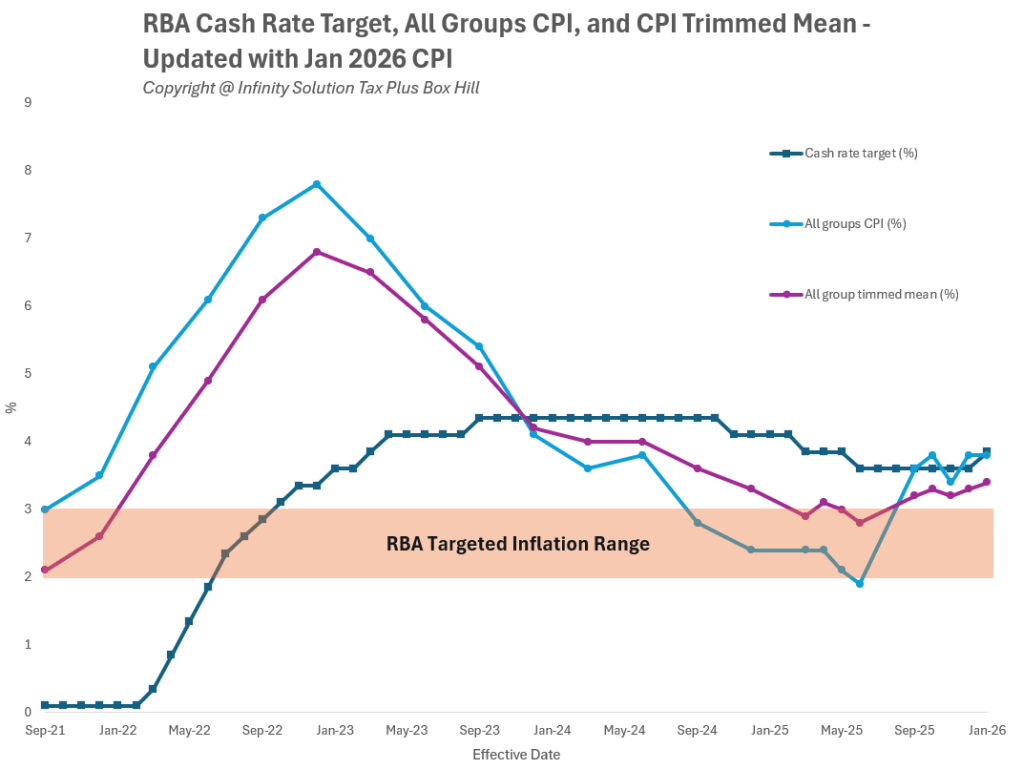
Equity markets are sensitive to monetary policy. The Reserve Bank of Australia’s cash rate influences borrowing costs, discount rates used in company valuations, dividend yields, and overall investment sentiment.
If inflation pressures persist and interest rates remain elevated, equity valuations can face headwinds. Conversely, expectations of rate cuts often support asset prices by lowering financing costs and increasing the relative attractiveness of shares.
Understanding this relationship is important when assessing whether recent gains are driven by earnings fundamentals, monetary policy expectations, or both.
What About Investments Outside Super?
Many Australians also hold shares or ETFs outside superannuation. In those cases, capital gains tax (CGT) considerations become relevant when crystallising profits. This is where the latest tax reform on CGT becomes crucial.
Selling assets during periods of strong market performance may trigger taxable gains, making timing and tax planning important.
Who Should Review Their Position Now?
- Pre-retirees (within approximately five years of retirement)
- Self-managed super fund (SMSF) trustees
- Investors with concentrated exposure to equities
- Those considering switching super investment options
A structured review with a qualified Box Hill accountant can help assess:
- Asset allocation suitability
- Alignment between risk tolerance and investment mix
- Tax consequences of portfolio adjustments
- Retirement income sustainability modelling
Final Thoughts: Record Highs Are Not Risk-Free
Strong corporate earnings and elevated ASX levels are generally positive signals for business conditions and investor confidence. However, markets are cyclical and do not move in a straight line.
For long-term investors, diversification, appropriate asset allocation, and disciplined strategy are typically more important than reacting to short-term market peaks.
At Infinity Solution Tax Plus, a trusted accountant in Box Hill can assist with superannuation strategy reviews, CGT planning, and broader retirement structuring — helping ensure market gains are aligned with long-term financial objectives.
Disclaimer: This article contains general information only and does not constitute financial or taxation advice. You should seek personalised advice from a registered tax or financial professional.




 Infinity Solution Tax Plus